
Stories That Changed Us: Reflections from Theme of the Month
Hosted by the W5 Culture Committee, our Theme of the Month sessions create space for team members to connect beyond projects, deadlines, and deliverables. They're an opportunity to share experiences, perspectives, and the moments that have shaped us as individuals.
This month's theme asked a simple question:
What book, movie, or television show changed your perspective on something?
The answers reminded us that media is about far more than entertainment; it helps inform our journeys in the various phases of our lives. Stories have a unique ability to challenge assumptions, introduce us to unfamiliar viewpoints, and help us make sense of our own experiences. A great story doesn't just tell us something new, it changes how we see what was already in front of us.
Across the selections shared by our team, a few common threads emerged.
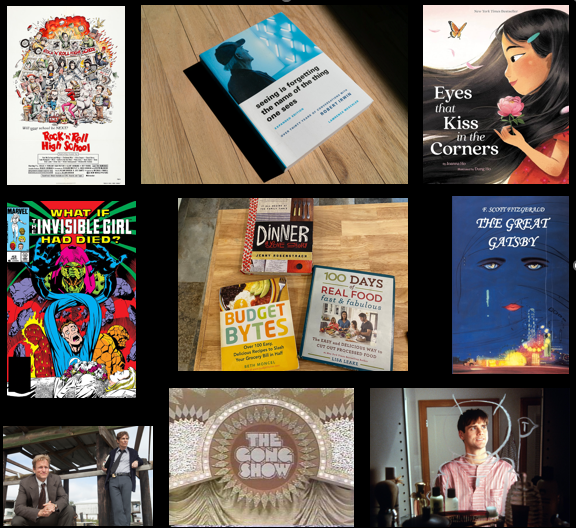
Some stories encouraged us to question the realities we accept without thinking. One team member highlighted The Truman Show, a film that explores the tension between comfort and authenticity, prompting reflection on how much of our world is shaped by the narratives we're presented with and the choices we make to step beyond them.
Others focused on complexity and nuance. True Detective challenged the idea that people can be neatly categorized as good or bad, instead presenting a world where contradictions, flaws, and resilience coexist. It's a reminder that understanding people often requires looking beyond simple explanations.
Several selections explored how everyday habits shape our lives. Books like Dinner Love Story by Jenny Rosenstrach and Budget Bytes by Beth Moncel centered on cooking, family meals, and intentional living highlighted the power of small, consistent choices and the role that food plays throughout the various stages of our lives.
Many of the other entries focused on identity, representation, creativity, and perception. Whether through children's literature such as Eyes that Kiss in the Corners by Joanna Ho, which celebrates self-acceptance; a Fantastic Four comic that revealed complex emotions to a young reader; classic television like The Gong Show, which gave permission to think different; or biographies examining how artists see the world differently (Seeing is Forgetting the Name of the Thing One Sees by Robert Irwin), these stories demonstrated how media can expand our understanding of ourselves and others.
While the books, movies, and shows varied widely, they shared something important in that each offered a new lens through which to view the world. That's one of the remarkable things about media. It allows us to experience perspectives, challenges, and ideas that may be far removed from our own lives. In doing so, it can subtly influence the questions we ask, the assumptions we challenge, and the choices we make.
As researchers, we're particularly drawn to that idea. Much of our work involves helping organizations understand people more deeply, and great stories do something similar. They encourage curiosity, build empathy, and remind us that every perspective is shaped by experiences we may not immediately see.
Not every story changes us, but every now and then, we come across one that stays with us long after we've finished the final chapter or watched the closing credits. Those stories become part of how we understand the world and ourselves.
What stories (books, movies, etc.) changed your perspective on something? Drop them in the comments below.
See our other Theme of the Month Blog Posts:
What We’re Consuming: Exploring the Journey from Pop Culture to Insights
Unpacking: W5 on Travel, Tourism, and Being Far From Home
Exercising Empathy from All Angles